
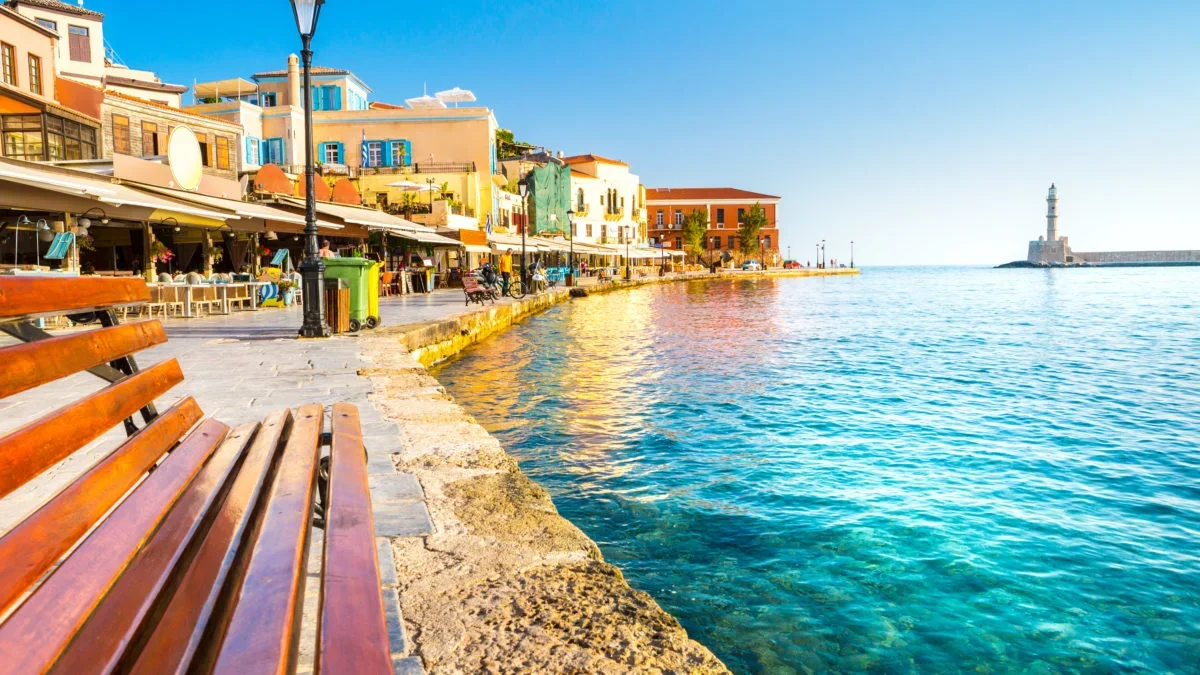
The allure of far-flung destinations and the liberating experience of venturing forth, known as reise uit in Norwegian, captures the spirit of exploration and personal transformation.
This profound yearning for escape, whether a brief getaway or an extended sojourn, is deeply ingrained in the human psyche, echoing through the ages in tales of wanderlust and adventure.
The concept of reise uit encompasses the act of stepping outside familiar boundaries, both geographical and mental, pushing past routines and self-imposed limitations.
This exploration, whether across continents or within one’s own mind, often leads to personal growth and a broader understanding of the world.
Understanding the nuances of reise uit, its motivations, and its impact on individuals is crucial for navigating the complexities of modern life.
This journey of self-discovery, often involving a reise uit, necessitates a conscious decision to leave behind comfort zones and embrace the unknown.
The significance of reise uit lies not just in the destination but also in the process of leaving, the letting go, and the introspection it often sparks.
For many, a reise uit fosters a sense of freedom, a chance to reconnect with oneself amidst new surroundings, and ultimately, a richer, more fulfilling existence.
Whether a solo trek through the mountains or a family vacation across the sea, the profound impact of reise uit on personal well-being underscores its importance in the modern world.
In this article, we delve deeper into the concept of reise uit, exploring its psychological implications and offering practical insights for anyone considering a journey of self-discovery.
The Essence of Reise Uit: A Journey Within and Without
The concept of reise uit, a crucial element of Norwegian cultural understanding, highlights the profound human desire for venturing forth and self-discovery.
This intrinsic motivation for reise uit frequently stems from a longing to escape the everyday routines and seek new experiences, both near and far.
The act of reise uit can be interpreted in various ways, from short weekend getaways to extended journeys across continents.
It encapsulates the core essence of exploration, which can be geographically defined but also fundamentally internal, fostering personal growth and self-reflection.
For many, reise uit represents a deliberate break from the known, an intentional stepping away from familiar surroundings to confront different cultures and landscapes.
This deliberate act of leaving known territory to experience new environments plays a significant role in shaping personal narratives and expanding perspectives.
The internal journey inherent in reise uit often involves confronting fears, pushing personal boundaries, and embracing uncertainty.
This introspection, a vital component of reise uit, can spark profound self-awareness and lead to transformative personal growth.
The pursuit of new knowledge and experiences that come with reise uit often compels individuals to challenge their preconceived notions and embrace unconventional paths.
This process, central to the concept of reise uit, often leads to a deeper understanding of oneself and the broader world.
Reise uit serves as a bridge between the familiar and the unfamiliar, fostering a connection between the individual and the vast expanse of the world.
Furthermore, the journey of reise uit frequently involves the building of new relationships, experiences, and memories that enrich the individual’s life.
Embarking on a reise uit, be it a local expedition or an international adventure, often fosters a greater appreciation for the diverse tapestry of human cultures and the beauty of the natural world.
The exploration inherent in reise uit is an integral part of the human experience, providing opportunities for personal growth, self-discovery, and a wider perspective.
Ultimately, reise uit, in all its manifestations, is a powerful symbol of the human drive to explore, to grow, and to discover the wonders that await both within and beyond our immediate horizons.
The Motivations Behind Reise Uit: Unveiling the Why
The act of reise uit is often driven by a desire for personal growth and self-discovery, frequently sparked by a yearning to escape the mundane and seek novel experiences.
The underlying motivations behind reise uit extend beyond simple pleasure; a deeper, intrinsic need fuels the impulse to venture forth.
A desire to confront new cultures and environments frequently motivates reise uit, often fostering empathy and broadening perspectives.
The search for personal transformation, and the hope of discovering latent capabilities, contribute significantly to the allure of this type of exploration.
The act of stepping outside one’s comfort zone, both geographically and mentally, is integral to the motivational core of reise uit.
A longing for adventure, and a thirst for the unknown, often drives the decision to embark on a reise uit, inspiring an innate curiosity about the world and oneself.
The desire to challenge preconceived notions and broaden one’s understanding of the world plays a crucial role in the impetus for reise uit.
Many who undertake a reise uit seek solace and renewal, understanding that temporary detachment from daily routines often brings a sense of clarity and empowerment.
A yearning to reconnect with nature and immerse oneself in a new environment can also motivate the impulse for reise uit.
The pursuit of new perspectives and a re-evaluation of personal values often accompanies a reise uit, leading to a deeper self-understanding.
Exploration of one’s own capacity and resilience is frequently a direct outcome and motivating factor for a reise uit.
The act of reise uit, in many cases, is intricately tied to personal fulfillment and a renewed sense of purpose, often serving as a catalyst for personal transformation.
The journey of reise uit can be a significant contributing factor towards overcoming personal limitations and embracing a more expansive view of the world.
Ultimately, the desire to connect with something bigger than oneself, whether it’s nature, culture, or a profound realization about the self, often underpins the decision to embark on a reise uit.
The profound motivations behind reise uit reveal the enduring human need for adventure, growth, and a deeper understanding of both the world and oneself.
The Importance of “Reise Ut” in Norwegian: Exploring the Concept of Departure
The third H2, focusing on “reise ut,” delves into the multifaceted nature of departure within the Norwegian language, emphasizing the profound significance of this verb beyond a simple act of travel.
Understanding “reise ut” requires acknowledging its nuanced implications, stretching far beyond the literal meaning of “to travel out.” It encompasses emotional, cultural, and social aspects intrinsic to the Norwegian experience.
This concept is crucial for understanding the broader narrative surrounding Norwegian emigration, particularly in the context of the country’s history and identity.
“Reise ut” highlights the powerful symbolism of leaving home, a journey often associated with both a quest for opportunity and the emotional weight of parting ways with one’s community.
The concept of “reise ut” is intimately linked to the Norwegian diaspora, tracing the journeys of individuals who left Norway in search of a better life, often in response to economic hardship or seeking new opportunities.
Examining the reasons behind these “reise ut” narratives provides insight into the motivations and societal pressures that influenced Norwegian individuals to seek life elsewhere.
Furthermore, the act of “reise ut” frequently intertwined with the desire for personal growth and independence, as individuals sought self-determination beyond the confines of their native environment.
Moreover, this exploration delves into the impact of “reise ut” on Norwegian society, as the departure of individuals often impacted communities, leading to cultural changes and shifts in social structures.
The “reise ut” phenomenon can also reveal a complicated interplay of factors: political climates, socioeconomic conditions, and personal aspirations played key roles in shaping the decision to depart.
By analyzing the specific reasons for “reise ut,” we gain a more comprehensive understanding of the historical context and societal forces that shaped these migrations.
The concept extends beyond mere geographical journeys, encompassing the metaphorical journeys individuals take during their lives, be they career shifts, societal transitions, or personal explorations.
Examining the concept of “reise ut” in Norway not only reveals historical patterns but also illuminates the continued relevance of this theme in contemporary life.
In essence, “reise ut” signifies a fundamental aspect of the Norwegian experience, characterized by its historical and ongoing relevance, and its power to illustrate the interconnectedness of personal journeys and broader societal narratives.
This examination, therefore, enriches our understanding of Norwegian identity, migration patterns, and the enduring impact of departure in a nation’s cultural evolution.
Understanding “reise ut” is pivotal in deciphering the motivations and experiences behind significant events in Norwegian history and personal lives, providing a rich lens through which to view Norwegian society and culture.
The Fourth H2: “Reise Ut” – Embarking on a Journey Beyond the Ordinary
The fourth H2, relating to the concept of “reise uit” in Norwegian, delves into the profound significance of venturing beyond the familiar, pursuing horizons that extend beyond the immediate surroundings.
This element of “reise uit” encapsulates the transformative power of exploration, urging individuals to embrace the unknown and forge their own unique paths.
The “reise uit” signifies more than just a physical journey; it symbolizes a mental and emotional departure from the mundane, a willingness to step outside one’s comfort zone and encounter new experiences.
This concept is intimately tied to personal growth, as confronting the unfamiliar challenges and opportunities presented during a “reise uit” fosters resilience, adaptability, and a deeper understanding of oneself and the world.
In practical application, a “reise uit” could be a meticulously planned trip abroad, a daring career change, or even the pursuit of a personal artistic passion. Regardless of the form, it embodies a commitment to stepping outside the perceived limitations and venturing into the unknown.
The beauty of “reise uit” lies in its inherent flexibility. It’s a concept applicable across various contexts and life stages, a call to continually seek new challenges and expand one’s personal and intellectual horizons.
Moreover, the act of “reise uit” is often tied to a desire for self-discovery. It’s about confronting one’s fears, embracing uncertainty, and ultimately uncovering deeper truths about oneself in a foreign land, a new city, or a new field of endeavor. This powerful concept embodies the core principles of the “reise uit” and its significance in a broad context.
Through this process of “reise uit,” individuals are empowered to create their own narratives, enriching their lives and contributing to their overall sense of fulfillment and self-awareness.
Ultimately, the “reise uit” is a continuous process of growth and transformation. It’s a vital aspect of the human experience that drives personal development and a deeper understanding of the world.
In conclusion, the practice of “reise uit” in Norway, encompassing both literal and metaphorical journeys, demonstrates a profound cultural value placed on self-discovery and personal growth.
From the physical exodus of individuals seeking new opportunities to the internal exploration of one’s identity, the concept of “reise uit” highlights a desire to transcend limitations and embrace the unknown.
This inherent drive to leave, whether through relocation or personal transformation, reflects a rich tapestry of historical and societal influences, demonstrating an enduring need to push boundaries and reinvent oneself.
Understanding the multifaceted nature of “reise uit” allows for a deeper appreciation of Norwegian identity and its evolving relationship with the world beyond its borders.
Ultimately, “reise uit” embodies a fundamental aspect of the Norwegian spirit, demonstrating the ongoing commitment to personal development, exploration, and the profound desire to experience life in new, enriching ways. The concept continues to resonate today, reminding us that journeys of self-discovery, both internal and external, are essential to personal and societal growth. It underscores a cultural embrace of leaving one’s comfort zone, not just geographically, but also mentally, and in turn embracing the myriad perspectives and opportunities offered by the world beyond.
