
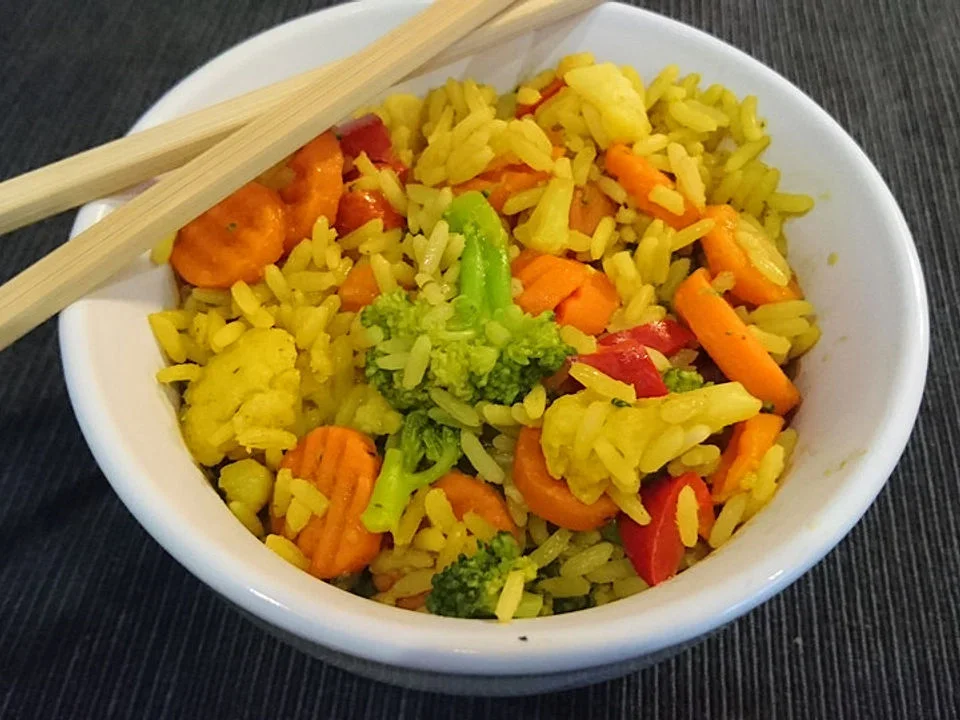
The reispfanne, a versatile and beloved pan in Norwegian kitchens, holds a special place in culinary traditions, offering unique possibilities for cooking.
From simple breakfasts to elaborate dinners, the reispfanne’s nonstick surface and robust construction make it a reliable companion for countless meal preparations.
This ubiquitous piece of cookware, the reispfanne, is not merely a tool; it’s a symbol of efficiency and ease in everyday Norwegian cooking.
Its popularity stems from its practical design, allowing for effortless food preparation, whether frying delicate fish, searing juicy steaks, or sautéing vegetables.
Understanding the reispfanne’s features and potential uses allows home cooks to maximize its capabilities and elevate their culinary experiences.
This article dives deep into the world of the reispfanne, exploring its history, different types available, and crucial tips for achieving perfect results in your own kitchen.
Choosing the right reispfanne is important for achieving optimal results, and this exploration will guide you in making informed decisions.
Whether you’re a seasoned cook or a culinary novice, discovering the nuances of the reispfanne will undoubtedly enrich your culinary repertoire and deepen your appreciation for this essential piece of Norwegian cookware.
The Reispfanne’s Versatility in Norwegian Cuisine
The reispfanne, a quintessential piece of Norwegian cookware, is renowned for its adaptability across a wide spectrum of culinary preparations.
Its robust construction and durable nonstick surface are crucial factors in its enduring popularity.
This ensures a smooth cooking experience, making it exceptionally effective for a variety of dishes, from pan-fried fish to searing steaks.
The reispfanne’s versatile design allows for the effortless browning and cooking of delicate ingredients, whilst maintaining even heat distribution across the pan’s surface.
The even heat distribution is a significant benefit, guaranteeing consistent cooking results, whether for quick breakfasts or elaborate dinners.
This consistently even heat allows the user to avoid uneven browning or scorching of the food, ensuring the best possible outcome for both taste and texture.
Norwegian home cooks frequently utilize the reispfanne for various cooking methods, including frying, searing, and sautéing.
Its substantial size and substantial weight ensure stable performance during cooking, particularly when dealing with larger batches of food or when substantial heat is required for tasks like searing.
From preparing simple scrambled eggs to intricate seafood dishes, the reispfanne remains a reliable cooking partner for the average Norwegian household.
Its ability to accommodate a range of cooking techniques, combined with its durability, contributes to the reispfanne’s widespread presence in Norwegian kitchens.
The inherent reliability and efficiency of the reispfanne make it an indispensable tool for Norwegian cooks.
Its role extends beyond mere functionality, reflecting a connection to Norwegian culinary heritage and traditions.
This seamless integration of functionality and design makes the reispfanne a beloved asset for countless Norwegian households.
Its wide range of applications, from quick weekday meals to grand celebratory feasts, underscores its central role within Norwegian kitchens.
Understanding the versatility of the reispfanne is key to appreciating its invaluable role in everyday Norwegian cooking.
The Reispfanne’s Role in Daily Norwegian Cooking
The reispfanne’s significance extends beyond its practical applications in Norwegian kitchens, becoming an integral part of daily culinary routines.
Its sturdy construction, often made of high-quality materials, ensures durability, making it a reliable tool for countless meals.
The reispfanne facilitates swift and efficient preparation, accommodating various cooking methods, from stir-frying vegetables to grilling fish.
Its smooth surface allows for easy food release, minimizing sticking and simplifying cleanup after cooking.
This ease of use, combined with the reispfanne’s versatility, establishes it as a staple in Norwegian homes.
The robust design of the reispfanne translates into long-lasting use, making it a worthwhile investment for any Norwegian home cook.
From simple breakfasts to elaborate dinners, the reispfanne remains a crucial part of meal preparation, highlighting its importance in everyday Norwegian cooking.
Cooking with the reispfanne also contributes to a streamlined workflow in the kitchen, making meal preparation less complicated.
This allows Norwegian cooks to focus on other aspects of the meal, like side dishes or presentation, enhancing the overall cooking experience.
The reispfanne’s popularity is deeply rooted in its practicality and efficiency, shaping its prominent role in daily Norwegian life.
The wide range of dishes cooked in the reispfanne further underscores its versatility, supporting the diversity of Norwegian culinary preferences.
The even heating distribution in the reispfanne ensures optimal cooking results for any ingredient, whether tenderizing a piece of fish or searing a steak.
This consistent heat control and the ease of cleanup are key factors in its popularity, allowing for quick and seamless cooking.
Many recipes featuring Norwegian ingredients, like lutefisk or reindeer, utilize the reispfanne, highlighting its compatibility with a wide range of foods.
The reispfanne becomes more than a simple pan; it becomes an extension of the cook’s abilities, facilitating effortless food preparation.
Its importance in everyday Norwegian cuisine stems from its efficiency, durability, and versatility, making it an invaluable tool.
The reispfanne is more than just a piece of cookware—it’s a symbol of streamlined cooking and a key element of the Norwegian culinary landscape.
Its presence in Norwegian kitchens underscores the appreciation for practical and effective tools.
The Role of “Reispfanne” in Contemporary Norwegian Cuisine
The “reispfanne,” a pan-fried dish, plays a significant role in the evolution and present-day expression of Norwegian cuisine.
Its prevalence stems from the historical fusion of Norwegian culinary traditions with influences from other cultures, particularly German, and its adaption into the Norwegian culinary landscape.
Understanding the “reispfanne” offers a glimpse into the changing dynamics of food culture in Norway.
This dish encapsulates the country’s commitment to utilizing fresh, high-quality ingredients and adapting international culinary concepts to create unique, palatable dishes.
The importance of the “reispfanne” is underscored by its versatility in accommodating diverse tastes and preferences, while remaining anchored in traditional Norwegian gastronomic principles.
The “reispfanne,” often featuring rice, potatoes, and other ingredients, exemplifies a gradual shift towards incorporating international flavors while staying true to local tastes.
Through the prism of the “reispfanne,” the broader trend of globalization and its impact on culinary traditions in Norway can be observed.
Recipes for the “reispfanne” frequently highlight the Norwegian penchant for using readily available seasonal produce and locally sourced ingredients.
The dish’s continued popularity signifies a willingness to embrace new gastronomic ideas while retaining fundamental Norwegian culinary principles.
The “reispfanne” also represents an opportunity for creativity and innovation within Norwegian cooking, allowing chefs to experiment with diverse flavor combinations and ingredients.
This creative adaptation is a hallmark of many contemporary Norwegian culinary creations, including the “reispfanne,” reflecting a balance between tradition and modernity.
Furthermore, the “reispfanne” showcases the adaptability and resilience of Norwegian culinary culture in the face of evolving global trends.
The evolution of the “reispfanne” demonstrates the ongoing interaction between local Norwegian ingredients and international cooking methods.
It serves as a concrete example of how global influences can be integrated into a national culinary identity without losing its core principles.
The “reispfanne” is a testament to Norway’s dynamic and evolving food culture, reflecting a sophisticated understanding of blending global trends with local ingredients and recipes.
Through the “reispfanne,” we observe a fascinating interplay between culinary heritage and contemporary tastes within the Norwegian culinary scene.
Reispfanne – Fourth H2: Optimal Cooking Techniques for Crispy Results
This section delves into the crucial aspects of achieving ideal crispiness when utilizing a reispfanne for cooking.
Achieving a truly satisfying crisp crust requires careful attention to heat management and oil selection.
The reispfanne, a versatile pan ideal for searing and browning, often demands a high heat setting to ensure proper food contact and quick browning.
Using the correct amount of oil is essential; too little will result in sticking, while too much will produce excess grease and potentially diminish the desired crispness. A thin layer of oil, meticulously distributed across the reispfanne surface, will evenly heat the pan and allow for superior browning and crispy results.
For optimal crispiness, ensuring the food is appropriately seasoned beforehand is also important. Seasoning the food before cooking will lead to a more flavorful and more evenly browned outcome.
Cooking foods at the right temperature, maintaining consistent heat throughout the cooking process, is paramount for creating the desired texture.
The right cooking time is essential, not overcooking; otherwise, the desirable crispiness will be compromised, resulting in a less delightful eating experience.
The type of food being cooked in the reispfanne will influence these optimal parameters slightly, but understanding the general principles will greatly assist anyone wanting to master this method of cooking.
By implementing these strategies, one can effectively utilize the reispfanne to achieve exceptional results, transforming simple ingredients into culinary masterpieces.
Ultimately, mastering these cooking techniques with a reispfanne will allow for culinary delights, ensuring that your culinary ventures reach their full potential.
The reispfanne, a ubiquitous component of Norwegian kitchens, transcends its simple function as a pan; it embodies a deep-seated connection to culinary tradition and everyday life.
From the hearty stew simmering on a cold winter evening to the crisp-fried potatoes accompanying a simple meal, the reispfanne is a testament to the importance of flavourful and satisfying food in Norwegian culture.
Its durable construction and versatile design, readily adaptable to a multitude of cooking methods, make it an indispensable tool in any Norwegian home, playing a crucial role in preparing a wide range of dishes.
Whether you’re preparing a traditional Norwegian “pinnekjøtt” or a modern take on salmon, the reispfanne effortlessly handles the task, reflecting the pan’s role as a vital link between ingredients and the finished product.
Ultimately, the reispfanne represents more than just a cooking utensil; it’s a symbol of the warm and inviting atmosphere of Norwegian kitchens, a cherished part of Norwegian culinary heritage, and a steadfast partner in countless meals enjoyed by generations.
This ubiquitous, essential, and versatile cooking implement, the reispfanne, stands as a testament to the rich culinary traditions and everyday practicality of Norwegian kitchens.
