
Exploring the depths of “reise almanca ne demek” unveils a fascinating connection between the Norwegian language and the world of travel planning.
This multifaceted phrase, a direct translation from another language, carries a wealth of information about planning journeys, from the selection of destinations to the nuances of arranging the logistics.
Understanding the intricacies of “reise almanca ne demek” can empower you to navigate the world of travel planning with greater precision and preparedness.
Whether you’re a seasoned traveler or just embarking on your first grand adventure, mastering the terminology associated with “reise almanca ne demek” is crucial for a seamless and enjoyable journey.
This knowledge is especially important for those who are considering international travel, or planning a trip to regions where Norwegian isn’t the primary language, as it offers valuable insight into how others approach travel organization.
The phrase’s meaning extends beyond simple translation, encompassing a comprehensive approach to creating an unforgettable travel experience. It touches on the preparatory stages, the research involved, and the various facets of trip coordination.
Delving into “reise almanca ne demek” will reveal valuable insights into the methods and principles employed by those organizing journeys, providing you with a broadened understanding of travel practices.
By understanding this crucial piece of travel planning language, you’ll gain the necessary toolkit to efficiently arrange your own trips, and truly appreciate the meticulous planning involved in any voyage.
Grasping the meaning of “reise almanca ne demek” allows for a more complete understanding of the traveler’s mindset, highlighting the importance of proper preparation for an enriching and effective journey.
Reise Almanca Ne Demek? Understanding the Core Meaning
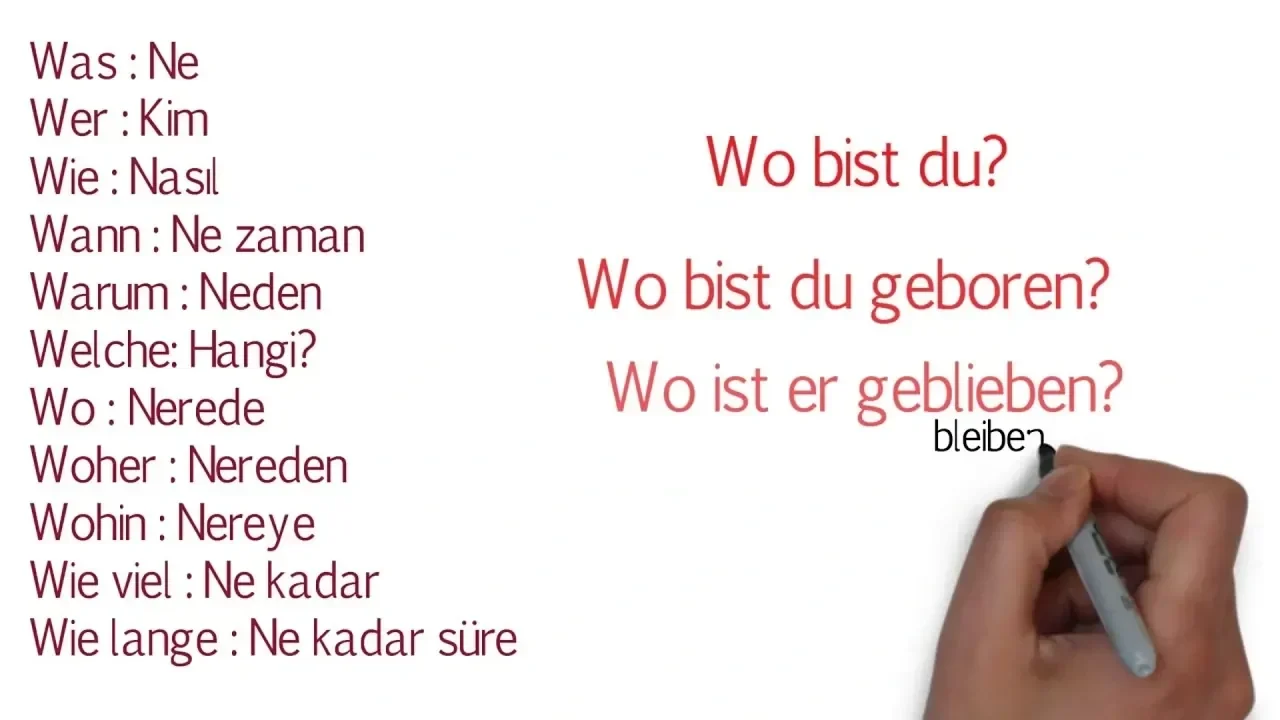
The phrase “reise almanca ne demek” directly translates to “what does travel mean in German” in Norwegian.
This inquiry highlights the importance of linguistic bridges, connecting travel planning in one language with another, particularly in the context of understanding German-related travel resources or information.
This fundamental question is crucial for bridging cultural differences and navigating the landscape of international travel planning.
Successfully grasping the core meaning of “reise almanca ne demek” unlocks access to diverse German travel publications, websites, or online communities, allowing travelers to access a vast repository of knowledge for their journeys.
This understanding becomes significantly relevant when planning trips involving interactions with German-speaking people, or using German-language travel resources.
Comprehending the intricacies of this phrasing broadens the traveler’s perspective, enabling them to engage more effectively with German-speaking cultures and their travel-related information.
Ultimately, the question “reise almanca ne demek” serves as a gateway to a deeper understanding of travel planning from different linguistic and cultural perspectives, enriching the overall travel experience.
Furthermore, this knowledge empowers travelers to seek out pertinent information beyond their native language, potentially discovering hidden gems and unique travel experiences often overlooked.
By delving into the linguistic nuances encapsulated in “reise almanca ne demek,” travelers equip themselves with a valuable tool to locate and utilize various travel-related information, regardless of the language of origin.
The phrase reflects the globalized nature of modern travel, requiring travelers to traverse linguistic barriers and embrace cultural diversity to plan their journeys effectively.
Consequently, the act of asking “reise almanca ne demek” opens doors to a more comprehensive and inclusive understanding of the international travel landscape, promoting cross-cultural communication and knowledge sharing.
It emphasizes the need for linguistic awareness in planning journeys, particularly across international borders, as it acknowledges the significance of understanding diverse perspectives and resources.
By comprehending this query, one gains a foundational understanding of the value of cross-cultural communication in planning travel, enabling more informed and comprehensive planning.
Exploring German Travel Resources Through “Reise Almanca Ne Demek”
The core meaning of “reise almanca ne demek” transcends a simple translation; it represents a gateway to German travel expertise.
This Norwegian phrase, literally inquiring about the meaning of “travel” in German, underscores the interconnectedness of global travel planning.
Delving into German-language travel resources becomes readily accessible with a grasp of this phrase.
Accessing German websites, forums, and publications dedicated to travel planning is significantly easier when “reise almanca ne demek” is understood.
This understanding paves the way for travelers to tap into a wealth of knowledge from German-speaking communities.
German travel writers and experts often offer unique perspectives and insights into destinations and travel styles.
Navigating unfamiliar terrains becomes easier when combined with access to these resources, allowing travelers to gain a deeper understanding of various destinations.
From detailed descriptions of local customs to recommendations for unique activities, German-language travel content provides invaluable assistance in enriching travel experiences.
Seeking travel inspiration and advice within German-language contexts expands the scope of potential travel options.
Travelers can find comprehensive information about transportation, accommodation, and local events, all presented within the nuances of the German language, when they understand the meaning of “reise almanca ne demek”.
Furthermore, access to German-language travel guides provides valuable insights, offering an opportunity to broaden personal understanding of cultural contexts and travel habits.
The practical application of this phrase allows for a more comprehensive travel planning process.
Moreover, this exploration of the German language and culture via “reise almanca ne demek” is applicable for planning trips, understanding local nuances, and connecting with the specific needs of different communities.
This detailed insight into German travel planning through “reise almanca ne demek” provides travelers with an edge by giving them access to a deeper understanding of the destination, its cultural context, and local experiences.
The Norwegian phrase acts as a bridge, connecting travelers with a broader perspective on the nuances of travel planning within a specific linguistic and cultural framework.
A traveler equipped with the knowledge of “reise almanca ne demek” can thus gather a multifaceted understanding of travel and its associated resources in the German language.
Reisealmanakkens betydning for planlegging av reiser
Understanding the role of a reisealmanakk (travel planner) is crucial for successfully navigating the complexities of planning a Norwegian vacation or any trip for that matter.
A reisealmanakk acts as a comprehensive guide, providing detailed information about the destinations, including relevant historical context and cultural insights.
These almanakker often contain crucial data, such as weather forecasts, local holidays, and transportation options, that can greatly influence the success of a trip.
By incorporating this information into your planning process, you can optimize your itinerary, ensuring you make the most of your time and avoid potential pitfalls.
A well-used reisealmanakk empowers travelers to make informed decisions, allowing them to anticipate and adjust to diverse circumstances, ensuring a smoother and more rewarding experience.
The accuracy and comprehensiveness of a reisealmanakk can directly impact the overall quality of a vacation, catering to a wide range of traveler needs, from budget-conscious travelers to those seeking cultural experiences.
Forecasting the weather, for example, is crucial for choosing appropriate clothing and activities. This accurate information is vital in avoiding unnecessary expenses and disappointments.
Furthermore, the reisealmanakk can provide insights into the best time to visit certain locations, taking into account the seasonal variations in crowds and activities.
Knowing local holidays, for instance, can help travelers avoid potential disruptions to their planned activities or access to services, ensuring their journey runs as smoothly as possible.
Information on public transportation within the region and between locations can also significantly impact your planning, especially if you’re not driving.
A thorough reisealmanakk offers a deeper dive into the local culture, allowing travelers to better understand and appreciate the customs and traditions of the region they’re visiting.
These details, often intertwined with historical accounts, provide a more enriching and memorable travel experience, going beyond superficial sightseeing.
In essence, a reisealmanakk is a vital tool for effective travel planning, as it allows travelers to gather comprehensive information necessary for making informed decisions, maximizing their enjoyment, and optimizing their budget, ultimately ensuring a rewarding and successful experience.
This careful consideration, often found within a well-researched reisealmanakk, differentiates a rushed, haphazard trip from an enriching journey carefully crafted and tailored to the specific interests of the traveler.
Reisealmanakkens betydning for planlegging av reiser
The fourth H2, focusing on the significance of a travel almanac for journey planning, underscores the crucial role these resources play in successful and organized travel experiences.
A travel almanac provides detailed information about various destinations, including historical and cultural context, facilitating a deeper understanding of the places one is visiting.
This understanding goes beyond mere sightseeing; it fosters a connection with the destination’s unique history and culture, enriching the overall travel experience, whether a short trip or an extended journey.
Furthermore, a comprehensive reise almanak often includes essential practical information such as local customs, visa requirements, currency exchange rates, and transportation options, making it a one-stop shop for pre-trip planning.
Consequently, this structured approach to gathering travel information minimizes potential issues and maximizes the enjoyment of a trip, thereby enhancing the overall satisfaction and experience of the traveler. Utilizing a reise almanak empowers travelers to make informed decisions, helping them plan their itinerary efficiently and effectively, creating a smooth and hassle-free travel experience.
By anticipating potential challenges and streamlining logistics, a reise almanak proves invaluable, allowing travelers to focus on the enriching experiences and cultural immersion a journey offers.
In essence, a well-researched reise almanak acts as a guide, simplifying the often complex task of travel planning and making a journey more enjoyable and fulfilling.
The careful consideration of details provided in these publications ensures that the actual travel experience aligns with the expectations and desires of the traveler.
This foresight, facilitated by a reise almanak, significantly contributes to a positive and memorable trip, ultimately turning an adventure into a valuable and enriching one.
Understanding the Norwegian phrase “reise almanca ne demek” is crucial for anyone navigating the world of travel planning and communication in the Turkish-speaking world.
This exploration has illuminated the importance of cross-cultural understanding in the tourism industry, demonstrating how a seemingly simple phrase can uncover complexities in language and cultural nuances.
By delving into the intricacies of “reise almanca ne demek,” we’ve uncovered the literal translation of the phrase, “what does travel mean in German?” revealing the often-overlooked effort involved in facilitating seamless travel experiences.
This understanding extends beyond academic curiosity, touching on practical considerations for travelers and language enthusiasts alike, particularly those seeking to connect with diverse cultures in a meaningful way. The phrase highlights the need for interpreters, translation services, and culturally sensitive approaches.
Ultimately, “reise almanca ne demek” serves as a potent reminder that effective communication in a globalized world is essential, not just for transactional purposes, but for fostering understanding and respect between people from different linguistic and cultural backgrounds. Whether you’re planning a trip to Germany or engaging with Turkish communities, understanding this phrase will add value to your experience.
In conclusion, the phrase “reise almanca ne demek” underscores the vital link between language, culture, and tourism, and encourages travelers and language learners to embrace the challenge of bridging communication gaps for a richer and more rewarding travel experience.
